
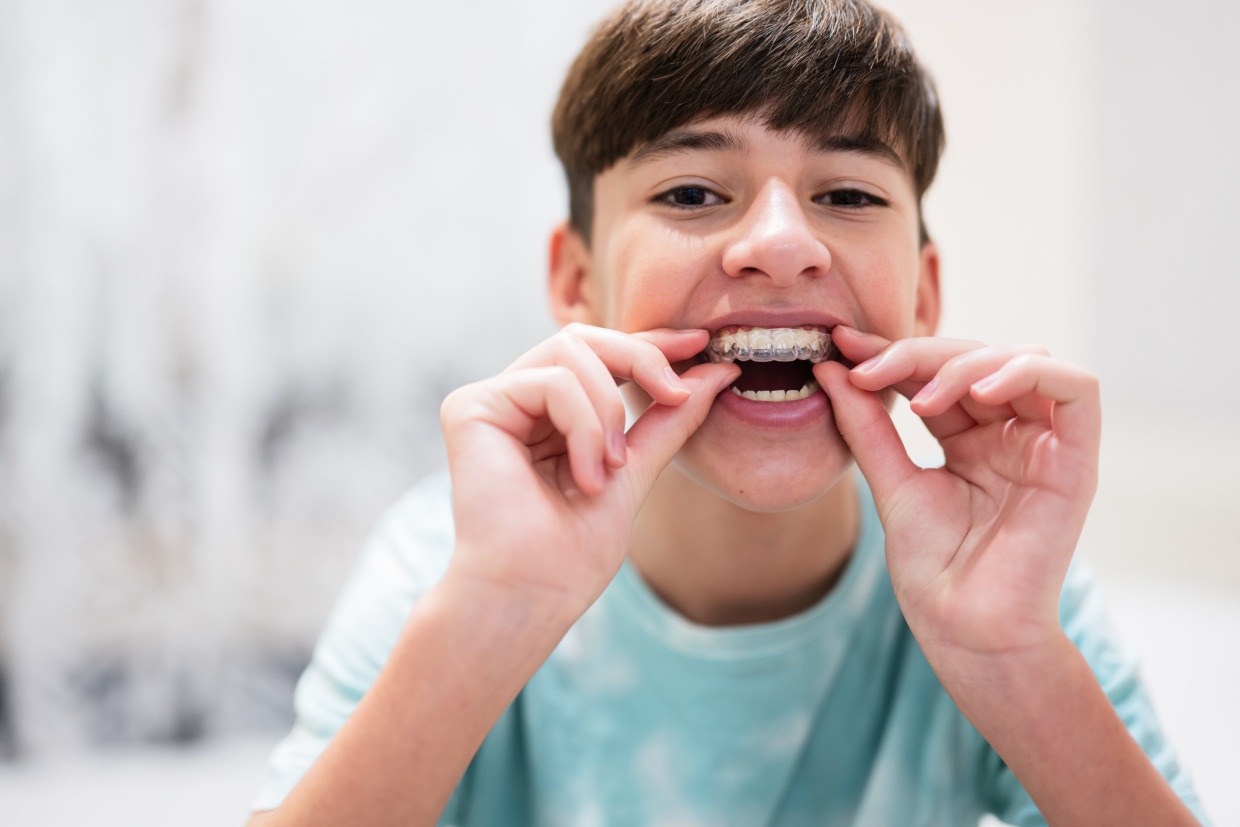
For many parents in Indianapolis, choosing the right orthodontic treatment for their child can feel overwhelming. With so many options available — from traditional braces to modern clear aligners — it’s natural to wonder which approach will deliver the best results with the most comfort and convenience. One solution that continues to gain popularity among families is Invisalign, the clear aligner system originally developed for teens and adults.
But is Invisalign a good fit for younger children? And how can parents know if this modern option aligns with their child’s orthodontic needs and lifestyle?
This guide covers everything Indianapolis parents should know about Invisalign for kids in 2025 — from how it works and who it’s right for, to its benefits and what to expect throughout the process.
What Is Invisalign for Kids?
Invisalign for kids refers to a type of clear aligner therapy specifically designed for younger patients — typically ages 7 to 10 — who are still growing and may have a mix of baby teeth and permanent teeth. These early treatments fall under what orthodontists call Phase One treatment, which focuses on intercepting developing issues before they become more complex.
The aligners look and function similarly to those used by teens and adults, but they are customized for growing mouths. Invisalign First, the official name of the system for kids, allows orthodontists to guide jaw development, create space for incoming teeth, and gently correct alignment problems using a removable, comfortable appliance.
How Invisalign Works for Younger Patients
Invisalign aligners are custom-made using 3D imaging technology to fit a child’s unique dental anatomy. Over time, the aligners are swapped out every 1–2 weeks to gradually shift teeth into better positions. For kids, the system may include built-in features that support jaw growth or spacing corrections — something traditional braces also aim to achieve.
Since the aligners are removable, children can take them out while eating, brushing, or during special activities. However, they must wear the aligners for 20–22 hours a day to stay on track with the treatment plan.
When Is Invisalign a Good Option for Children?
Not every child is a candidate for Invisalign. This treatment is most effective when:
- The child has early signs of orthodontic problems such as crowding, spacing, or crossbite
- An orthodontist recommends early intervention as part of a two-phase approach
- The child can follow instructions and keep track of removable aligners
- The family prefers a discreet and removable alternative to traditional braces
A consultation with an experienced orthodontist is the best way to determine if Invisalign First is appropriate. The doctor will assess your child’s growth patterns, jaw alignment, and dental development to create a treatment plan that supports long-term results.
What Are the Benefits of Invisalign for Kids?
Comfortable to Wear
Invisalign aligners are made of smooth plastic and do not include brackets or wires that may poke or irritate sensitive tissues. Many children report less discomfort compared to traditional braces.
Removable for Meals and Brushing
Kids can eat their favorite foods without dietary restrictions, and brushing and flossing are much easier without brackets in the way — supporting better long-term oral hygiene.
Discreet Appearance
Because the aligners are nearly invisible, some children feel more confident wearing them, especially during school or social activities.
Fewer Emergency Visits
Without wires to break or brackets to pop off, parents typically experience fewer orthodontic emergencies or last-minute office visits.
Technology-Driven Results
Invisalign uses digital planning tools to map out each stage of treatment. Parents and kids can see expected progress ahead of time, helping everyone stay engaged and motivated.
Common Questions from Parents in Indianapolis
Will my child lose or forget their aligners?
This is a common concern. Younger children may need help remembering to wear and care for their aligners. Many parents find that establishing a daily routine around meals or school activities helps reinforce the habit. Aligner cases and reminder apps can also be useful tools.
How often do we need to visit the orthodontist?
With Invisalign, visits are typically scheduled every 6–10 weeks. These check-ins allow the orthodontist to monitor progress and make adjustments if needed.
Is Invisalign more expensive than braces?
Costs vary depending on the complexity of the case and treatment plan. In many situations, Invisalign for kids is comparable in cost to traditional braces, and insurance may cover a portion of treatment.
What to Expect from the Invisalign Process
The Invisalign process begins with a consultation and 3D digital scan. This scan allows the orthodontist to design a personalized treatment plan and custom-fit aligners for your child. Once the aligners are ready, your child will begin wearing them according to the prescribed schedule, changing to a new set every few weeks as their teeth gradually move.
Parents should expect:
- Regular orthodontic visits to monitor progress
- Support in helping their child wear aligners consistently
- Ongoing communication and guidance throughout treatment
Is Invisalign the Right Choice for Your Child?
If your child is showing signs of orthodontic issues or your dentist has recommended an early evaluation, Invisalign may be worth considering — especially if your family values convenience, aesthetics, and flexibility.
That said, success with Invisalign depends on the child’s maturity and willingness to wear aligners as directed. Parents play an important role in supporting consistency and routine throughout treatment.
Explore Invisalign for Kids in Indianapolis
If you’re wondering whether Invisalign is right for your child, the team at Geist Orthodontics can help. With experience in early orthodontic treatment and digital aligner therapy, we provide personalized guidance for families exploring Invisalign in Indianapolis.
Schedule a consultation today to learn more about Invisalign First and whether it’s the best fit for your child’s developing smile.