
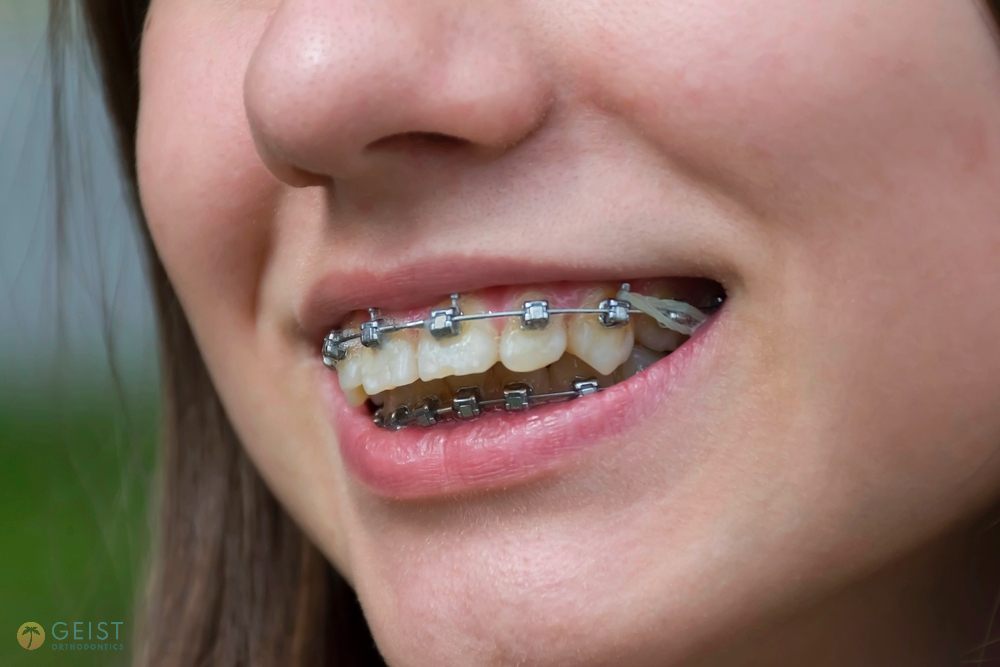
Braces have come a long way from the bulky metal brackets once associated with orthodontic treatment. Today’s options are designed to be faster, more comfortable, and more discreet — meeting the needs of patients from active kids to image‑conscious adults. For residents in Indianapolis, understanding the latest advancements in braces technology can help you make an informed decision and enjoy a more positive orthodontic experience.
This guide will walk through modern braces options, how they work, what advantages they offer, and what to consider when choosing the right solution for your smile.
Why Modern Braces Are Different
Traditional braces are still highly effective, but technological and material improvements have transformed how they feel, function, and perform. Modern braces focus on reducing discomfort, shortening treatment time, and offering aesthetic alternatives for patients who prefer less noticeable options.
Advances in orthodontic design mean that brackets are smaller and smoother, archwires are more efficient, and appliances can be personalized for your specific smile goals. Combined with digital imaging and treatment planning, these innovations help orthodontists develop more precise, comfortable care than ever before.
Types of Braces Available Today
Traditional Metal Braces
Metal braces remain one of the most reliable treatment solutions for all types of alignment issues. However, today’s metal braces are lighter, smaller, and more comfortable than those of decades past. Advances in wire technology mean that teeth move more efficiently with fewer adjustments.
Ideal for: patients of all ages, especially when significant tooth movement is required.
Clear Ceramic Braces
Ceramic braces function similarly to traditional metal braces, but the brackets are tooth‑colored or clear. This makes them less noticeable while providing strong, consistent results.
Ideal for: teens or adults who want a more discreet option without switching to clear aligners.
Lingual Braces
Lingual braces are attached to the backs of the teeth — hidden from view when you smile. They provide the benefits of traditional braces with maximum discretion.
Ideal for: adults and professionals concerned about visible braces.
Self‑Ligating Braces
Self‑ligating braces use a specialized clip instead of elastic ties to hold the archwire in place. This reduces friction and can allow teeth to move more freely, often resulting in shorter appointments and, in some cases, reduced treatment time.
Ideal for: patients seeking efficiency and comfort, especially those who want to minimize adjustments.
Factors That Can Improve Comfort and Speed in Treatment
Advancements in orthodontics aren’t limited to the braces themselves. Several elements contribute to a smoother, more comfortable experience:
Digital Treatment Planning
Using 3D imaging and digital models, orthodontists can map out precise tooth movements before treatment begins. This leads to more predictable outcomes and fewer surprise adjustments.
Improved Wire Technology
Memory‑shaped archwires made from advanced alloys apply gentle, continuous force that nudges teeth into place with minimal discomfort. Gentle force is often key to faster, more comfortable movement.
Customized Bracket Placement
Since no two smiles are exactly alike, customized bracket placement ensures that each patient’s braces work with their unique anatomy. This personalization helps reduce unnecessary pressure and treatment time.
Oral Hygiene Guidance
Keeping braces clean is essential for comfort and speed of progress. Modern orthodontists often provide specialized tools and instruction to make daily care more efficient, reducing the risk of irritation or setbacks.
Addressing Concerns About Discomfort
It’s natural for patients to worry about pain during orthodontic treatment. While some pressure and sensitivity can occur — especially after initial placement and adjustments — modern braces are designed to minimize discomfort.
Applying gentle force, reducing friction, and using smooth materials all help lessen soreness. Additionally, over‑the‑counter pain relief and warm rinses can be used in the first few days after appliance placement or adjustment.
For patients with heightened sensitivity, orthodontists may recommend specific pain‑management strategies tailored to individual needs, ensuring a more comfortable experience.
Typical Treatment Timeline with Modern Braces
Every smile is unique, but many patients using modern braces complete treatment within a similar timeframe to traditional protocols — often between 12 and 24 months.
Factors that influence the duration include:
- The type and severity of the alignment issue
- Patient age and bone growth patterns
- Consistency with orthodontist‑recommended care
- Use of advanced technologies like self‑ligating systems
Some treatment plans integrate accelerated orthodontic methods or adjunctive therapies designed to support faster tooth movement under the guidance of a specialist.
Who Benefits Most from Braces Today?
Braces are not reserved for children or teens. Modern orthodontic solutions benefit a wide range of patients in Indianapolis:
- Children and adolescents — Early and comprehensive correction supports long‑term dental health.
- Adults seeking discreet options — Clear ceramic and lingual braces offer aesthetic appeal.
- Patients with complex bite issues — Traditional metal and self‑ligating braces remain powerful tools.
- People prioritizing comfort and efficiency — Modern materials and planning reduce discomfort and appointment times.
Orthodontic evaluation helps determine when braces are appropriate and which type aligns best with a patient’s personal goals.
Tips for Choosing the Right Braces Option
Choosing between modern braces options depends on several personal priorities:
- Appearance preferences — Do you want something nearly invisible?
- Level of correction needed — Some cases require the consistent force of fixed braces.
- Lifestyle considerations — Athletes or musicians may prefer solutions with fewer emergency visits.
- Budget and scheduling needs — Some types may vary in cost or frequency of adjustments.
It’s important to discuss these preferences during an orthodontic consultation so treatment can be tailored accordingly.
Next Steps After Deciding on Braces
Once a specific type of braces is selected, the next steps typically include:
- A detailed treatment plan with 3D imaging
- Placement of the braces and adjustment schedule
- Periodic monitoring visits to track progress
- Guidance on oral hygiene and daily care
After braces are removed, retention (usually with a retainer) helps preserve alignment and supports a lifelong smile.
Final Thoughts
With today’s innovations, braces are more capable, comfortable, and efficient than ever before. Modern options like clear ceramic, lingual, and self‑ligating systems — paired with digital planning and advanced wire technology — help patients in Indianapolis achieve their smile goals with less discomfort and improved predictability.
Whether it’s your first orthodontic experience or a return to care, understanding today’s braces choices enables smarter decisions and a more satisfying journey toward a healthy, confident smile.
About Braces in Indianapolis
If you’re researching braces in Indianapolis and want clarity on the best option for your smile, Geist Orthodontics offers personalized consultations that explore modern braces solutions tailored to your goals, lifestyle, and comfort preferences. From traditional metal braces to discreet alternatives, we help guide families and adults through every step with transparent care and advanced orthodontic planning.
Schedule a consultation today to learn which braces option is right for you.